A passionate Logan City wildlife advocate has spoken out about the amount of road kill and injured wild life she encounters regularly on her home street, asking ‘when is enough enough?’ and ‘does it take a human being killed so horrendously for people to slow down on suburban backstreets?’
Logan City local registered allied health care professional Jay Be said she lives on a little street, with a lot of ‘race car’ drivers.
“I live on a little street called Parkview Crescent in Cornubia that drivers love to race through using the chicanes and speed bumps as challenges in their hurry to get to work, school, home,” Ms Be said.
“It breaks my heart to at least fortnightly be dealing with deceased wildlife on my street; knowing that my neighbour’s are doing the same, therefore the actual numbers far exceed what council is aware of.
“My local member, Cr Miriam Stemp and I are trying to raise public awareness of the importance not only of people observing speed limits, but also of reporting all wildlife sightings (alive or dead) to council formally so they have more accurate statistics to base planning actions upon.”
Ms Be said she’s lived on her street for 15 years now, which runs along the border of Cornubia Forest Park and joins onto Kimberly Forest Park, Daisy Hill State Forest, and Venman National Park.
“Myself and my neighbours moved here for the peaceful forest atmosphere and diversity of wildlife,” she said.
“Who wouldn’t be stoked about having koalas, wallabies, echidnas and more in their own back yard?
“And yes, sure, some can get a bit rowdy at times, our resident koala Steve makes his presence well known in mating season, but it’s such a precious thing to have at home so close to a big city. I love that I don’t have to mow my lawn very often because the wallabies munch it down for me.”
Despite signing up for a life of peace and wildlife sightings, Ms Be said it’s been the very opposite thanks to irresponsible and inconsiderate drivers.
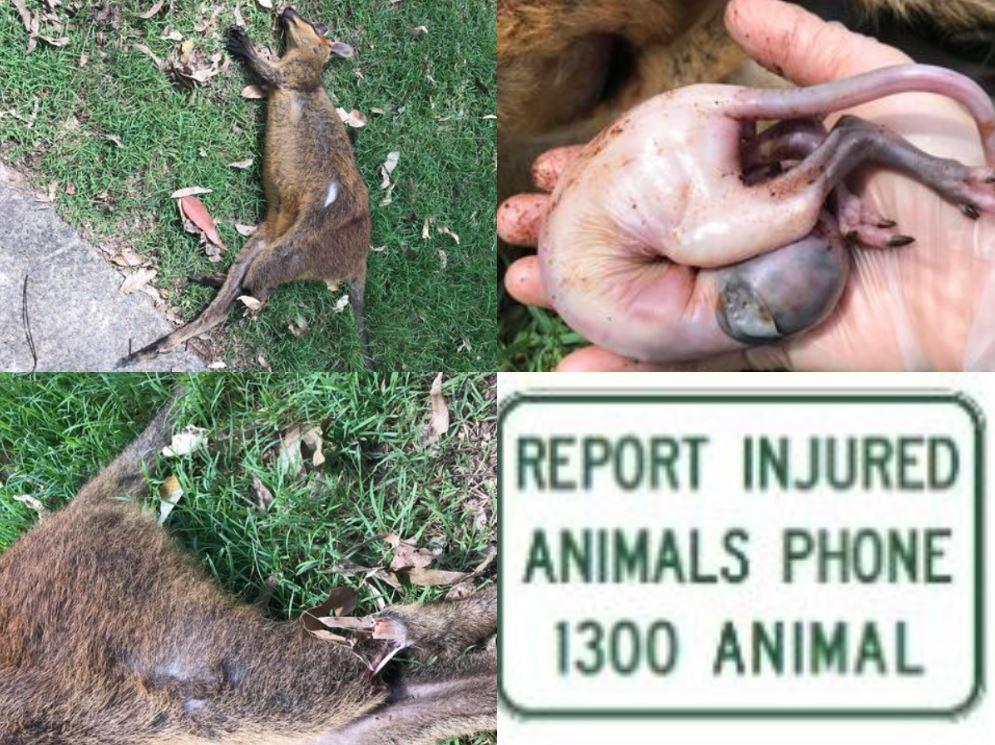
“It’s pretty devastating how regularly we have to remove the bloodied corpses of our wild little friends from the road because of inconsiderate drivers racing through,” she said.
“They’re only focused on getting from A to B as soon as possible; squishing them and not even having the heart to stop and call a wildlife rescue group or anyone else for help.
“You’d think the 6 huge watch for wildlife signs council have installed in the maybe 500m stretch of street might indicate the need to not speed, or the large number of traffic calming devices…maybe even the blind spots, where drivers can’t see residents exiting driveways or pedestrians crossing until the last minute? But Nope.”
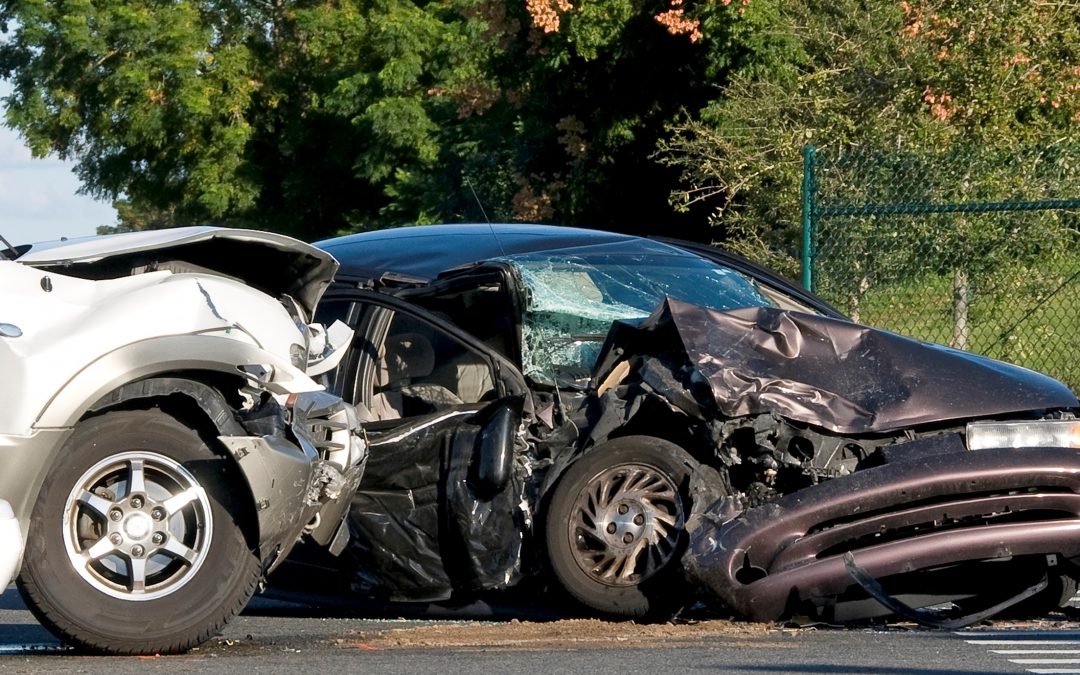
Ms Be said even after the street witnessed a ‘very serious’ car accident where the young drivers were lucky to live, nothing has changed.
“Police say it’s too dangerous for them to set up a speed camera on the street. Without wanting to sound like a total jerk – duh – that danger is what us residents are concerned about,” she said.
“Most of these drivers aren’t what you’d really call hoons. They’re everyday people just not caring or paying attention to the conditions.
“Tradies. Mums driving kids around. Locals coming home from work.”
Ms Be said she believes the problem is they’re just in such a rush.
“They gather as much speed as possible in the short distance between traffic calming devices as possible, as if that’ll somehow get them where they’re going noticeably faster…then leave the aftermath of their carelessness for others to deal with,” she said.
“If you’re 30 seconds later getting somewhere, very little changes. When you kill someone, everything changes for that someone, those who love them, those who stop to help them.”
Ms Be said she’s lost count of how many injured and deceased animals she’s driven to vets, along with the number of corpses she’s cleaned off the road.
“When is enough enough? Does it take a human being killed so horrendously for people to slow down on suburban backstreets? It’s not like this is a main road or highway,” she said.
“Our local member Miriam Stemp is trying to help with community education and protecting Cornubia Forest. She’s even had beautiful bright new signs installed a couple of months ago; so there’s actually 6 wildlife warning signs in the short stretch now.
“I would like to think that maybe by sharing my experience, others may at least stop and think to slow down, and if they see an injured or dead animal to stop and check or at the very least, call RSPCA on 1300ANIMAL.”