Calls for the platypus to be listed as threatened species
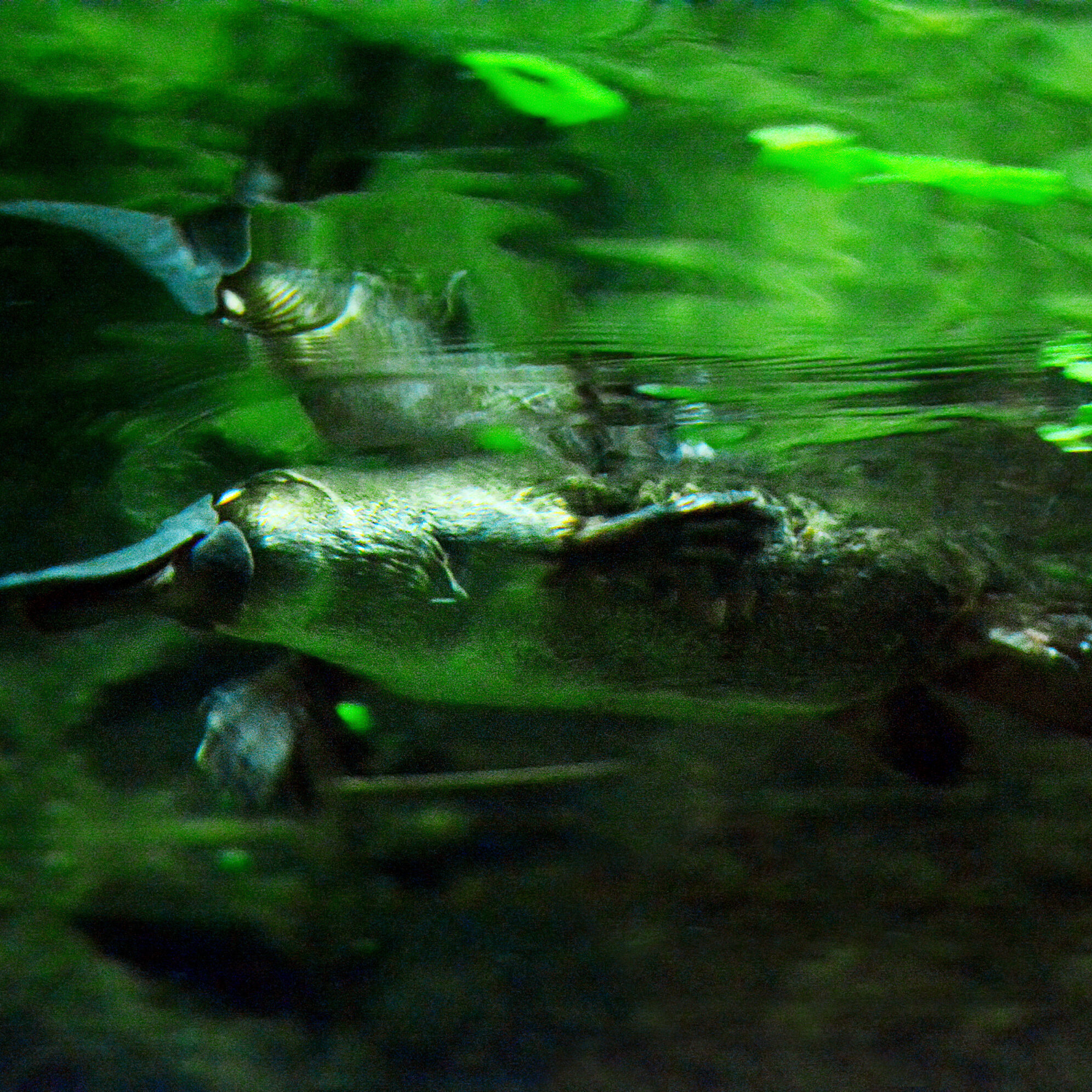
A severe decline in platypus numbers has prompted national conservation groups to list the species as threatened.
Research has found the decline in platypus observations was most severe in New South Wales with a 32 per cent reduction, and Queensland with a 27 per cent.
Paul Sinclair from the Australian Conservation Foundation says the data is richer further south, simply because data has not been collected in Queensland.
“The data is for the South Eastern Seaboard,” Mr Sinclair said. “It’s an area where many records are patchy and there’s more work to do in surveying platypus populations.
“One of the points of getting the species listed is we would need to have recovery plans developed that would need people to have a stronger idea about what’s going on with the platypus population.”
The research on platypus populations found sightings and samples of DNA identified within Logan City and the Scenic Rim, specifically the Albert River and its tributaries, Wolffdene, Cedar Creek, and Tamborine.
“There’s multiple lines of evidence that suggest platypus are in trouble,” said Professor Richard Kingsford, director of the Centre for Ecosystem Science at University of New South Wales and lead author of the report on platypus declining numbers.
“We’ve looked in detail, and the numbers of platypus aren’t doing well in lots of rivers, not everywhere, but in lots of rivers.”
“There is a real concern that platypus populations will disappear from some of our rivers without returning, if rivers keep degrading.”
The report found the declines in platypus observations were worst in places where natural river systems and water flows have been most heavily modified, like the Murray-Darling Basin.
“They’re very difficult to work on because they are nocturnal,” Professor Kingsford said. “We also have a very poor information base, and because they really only come out at dusk and stay foraging all night, not many researchers have really worked on platypus to try and understand what’s happening in terms of their numbers.”
UNSW researchers, the Australian Conservation Foundation, World Wildlife Fund Australia and Humane Society International Australia, have nominated the platypus to be listed as a threatened species under Commonwealth and New South Wales processes.
“It’s quite a complicated process to classify a species as threatened,” Professor Kingsford said. “There needs to be a 30 per cent decline in the population in the last 30 years. But it’s also about ongoing threats, and how much their range has detracted.”
Professor Kingsford said the research team specifically examined the changes that occurred in the last 30 years, with the expectation that the number of observations would be increasing because of more people recording wildlife locations.
“We’ve actually seen a decline in the observation of platypus on the rivers,” he said. “That’s put down to some of the major changes occurring in our rivers, particularly where we’ve got lots of threats, such as large dams, land clearing where it affects platypus burrows, and increasingly in urban areas we’re finding pollution as well.”
But Professor Kingsford says there are ways people can help to keep platypus off the endangered list.
“I think a really important thing is, compared to New South Wales, Victoria and Tasmania, the information base in Queensland is very poor, and so increasing our knowledge about where platypus are and what they are doing, is going to be the secret,” he said. “That really is a challenge for us, because we know platypus are doing really well in some rivers but not others, and we don’t know why.
“If we knew why then we would really be able to help them do well everywhere.”
Communities can use various apps, like Platypus Spot, to help record sightings of platypus. It’s also important our riverbanks are clean and free of threats, like yabby traps and fishing tackle which can drown platypus.
“If we got our rivers really healthy and clean, and didn’t take too much water out of the rivers, then things would certainly improve.”