One Nation calls for migration ban from 28 high-risk countries
One Nation wants an immediate halt to migration from 28 countries carrying do-not-travel warnings, citing terrorism concerns linked to former refugees.
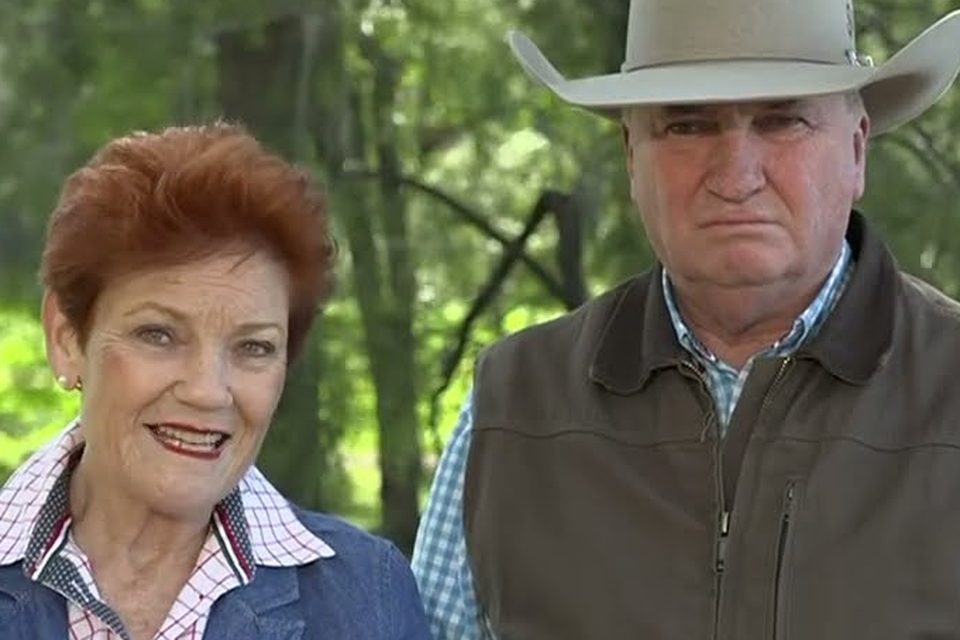
One Nation has called for an immediate suspension of migration from 28 countries and regions listed under Australia's highest travel advisory, arguing that the government's own warnings about those destinations should be treated as grounds to block arrivals from them.
The policy was announced as the Nationals held their national conference in Canberra, with One Nation's push drawing attention away from the more established conservative party as both compete for the same heartland voter base.
One Nation senator Pauline Hanson pointed to a series of terrorist attacks carried out by individuals who had previously entered Australia as refugees. "We've seen too many terrorist attacks from people who are former refugees that have come to Australia, and that's why we're taking this tough stance," she said. The party argued that if the Department of Foreign Affairs and Trade advises Australians not to travel to a country, that assessment alone should disqualify nationals from that country from seeking entry.
The proposed ban covers 28 countries or regions currently rated as do not travel destinations. Three exceptions were carved out — Bahrain, Kuwait and Ukraine — on the basis that their travel warnings stem primarily from the risks of foreign military conflict rather than conditions within the host countries themselves.
Nationals leader David Littleproud pushed back, questioning what the policy would mean for persecuted religious minorities. "I would ask Ms Hanson, what's your plan for persecuted Christians around the world? Are you going to leave them high and dry? We need better than just carbon copying Donald Trump's policy," he said, suggesting the announcement lacked nuance on humanitarian grounds.
The debate arrived at an awkward moment for the Nationals, who were attempting to reassert their relevance at their own party conference. While Littleproud described the gathering as a no-frills event focused on outcomes, One Nation's intervention underscored the competitive pressure the minor party is applying in regional and rural seats traditionally dominated by the Nationals. One Nation representatives noted a growing cohort of younger followers as a sign the party is broadening its appeal beyond its established base.
Meanwhile, the Albanese government has yet to release the detail of its own migration reduction plan. Home Affairs Minister Tony Burke was scheduled to speak at the National Press Club more than a week ago but cancelled the appearance, reportedly after cabinet deliberations over the package. The government has indicated further announcements will follow once internal consultation is complete, though the delay has drawn criticism from opposition figures who accused the minister of being rolled before he could present his own reforms.
With multiple parties now positioning on migration heading into a federal election cycle, the question of how sharply to restrict incoming numbers — and from where — is shaping up as a defining contest on the conservative side of politics.
Key questions
- Which countries would be affected by One Nation's proposed migration ban?
- One Nation wants to halt migration from all 28 countries and regions currently listed under Australia's do-not-travel advisory. Bahrain, Kuwait and Ukraine are proposed exceptions because their warnings relate to foreign military conflict rather than domestic conditions.
- Why is One Nation pushing this policy now?
- One Nation cited a series of terrorist attacks carried out by individuals who had previously entered Australia as refugees, arguing the government's own travel warnings provide sufficient grounds to restrict migration from those countries.
- What is the Albanese government doing about migration numbers?
- The government has flagged plans to reduce net overseas migration but has not yet released the detail. Home Affairs Minister Tony Burke cancelled a scheduled press club address where the reforms were expected to be outlined, with further announcements pending cabinet consideration.