Pets adjusting to life after COVID-19
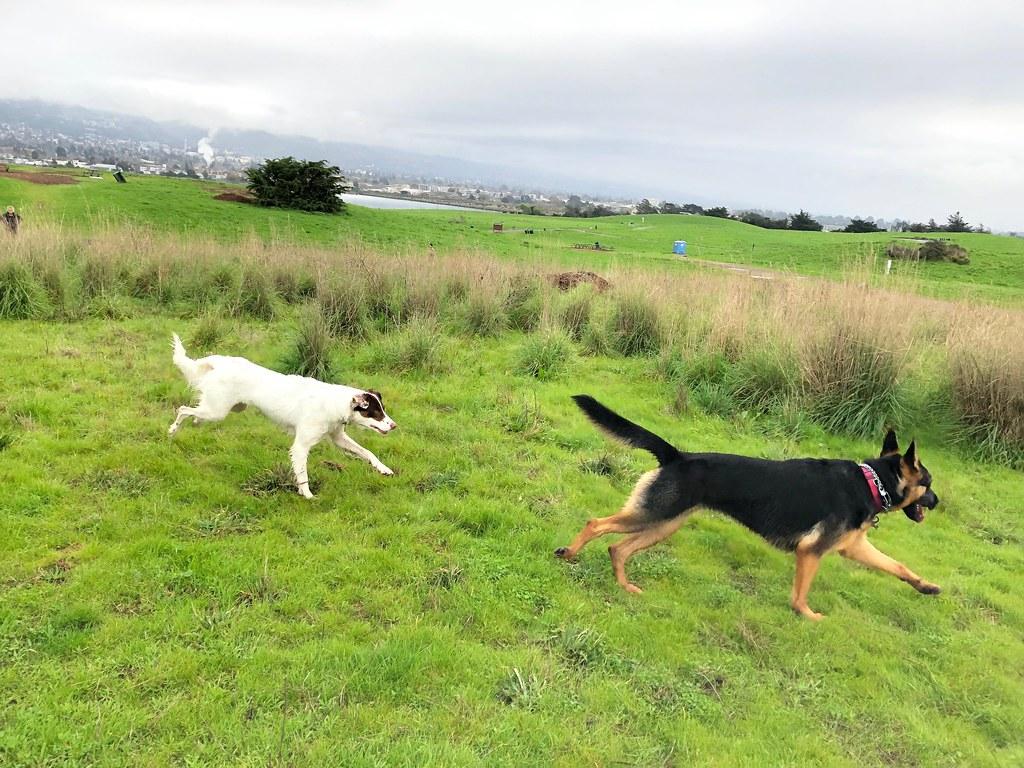
Pet owners are being warned by vets and pet behavioural experts that life for our furry friends may be harder to adjust this year, more so than others.
Most of us are returning to normal life after the COVID-19 lockdown, and going back to school and work. However, our pets have become accustomed to us being at home and are now more prone to separation anxiety and bad behaviour due to boredom.
Experienced pet trainer from Pawsitive Connection says pet owners need to be aware of concerning behaviours and act quickly.
“The most obvious signs of a dog being bored or anxious are, unfortunately, complaints from neighbours about barking or howling,” Ms Haines said. “There can also be destructive behaviour like digging holes or ripping apart plants.
“It also depends on the age of the dog, as puppies will tend to do this behaviour.”
Prevention, management and training are the most important tips for pet owners when it comes to addressing behavioural issues.
“One thing pet owners can do is set up a camera to see and hear the dog,” she said. “It can show if the dog is already stressed or if they become stressed after owners leave. You can also check what’s happening with your dog, whether it’s pacing and barking or sitting still and howling.”
If your dog’s behaviour is worrying you, Ms Haines says the first point of contact should be a vet or trainer.
“They can direct you in taking the right course of action, whether that be training or for more severe cases, anxiety medication,” she said.
Ms Haines says following the COVID-19 lockdown with people going back to work, she saw a huge increase in clients, when the busiest times for pet training are over the holiday period and New Year.
“We usually see a large increase in clients in the New Year with the adoption or purchase of puppies for Christmas,” she said. “Clients are usually looking to train their new puppies, but there’s also a few clients who have had behavioural issues over the holidays.”
With this in mind, Ms Haines says pet owners should be wary of holiday celebrations causing distress in their dogs.
“Holiday celebrations can overwhelm dogs and cause behaviour that is unusual, perhaps a growl or snap, that may be from more people in the house or more noise,” she said.
“Make sure that during the holidays dogs are kept away from foods they shouldn’t be consuming, like fatty foods, nuts and chocolate, and try to maintain a routine.
“Also, make sure your dogs are still getting exercise and have a space where they can be alone and calm.”
With New Year celebrations around the corner, Ms Haines says it’s also important that pet owners be aware of local fireworks on New Year’s Eve which can scare dogs and cause them to run away when they may normally not do so.
“Know where your closest local veterinary clinic is and make sure their identification is up to date,” Ms Haines said. “It’s important to know these things, so if anything happens, you will be prepared.”